Hydration for hiking and water bottles
Hiking is an outdoor sport that requires good hydration. It’s the key to a pleasant, safe experience. Water filtration makes water drinkable, so you can hydrate safely and enjoyably during your hike.
Hydration on a hike
Hydration is a crucial aspect of any hiking trip. On varied and often demanding terrain, maintaining water levels is vital. Drinking regularly helps maintain physical performance. Natural water filtration ensures safe drinking.
The benefits of fresh filtered water
When the temperature is high and the body is sweating a lot, drinkingcool water provides an immediate sensation of refreshment. What’s more, low-temperature water is generally more appetizing, encouraging regular consumption. High-altitude springs and mountain rivers are often naturally temperate. Filtering this water combines pleasure and safety.
Choosing a filtering water bottle for safe drinking
To optimize your hydration when hiking, it’s essential to choose the right water bottle. Choose robust models capable of filtering out contaminants. Filter bottles like those supplied by Katadyn are designed to eliminate bacteria, parasites and microplastics. The choice of volume and therefore capacity will depend on the duration of your adventure and your personal needs. An adequate water supply guarantees autonomy and peace of mind throughout the trip.
Filtration and water quality on a hike
When hiking, it may be necessary to take water from the wild. However, the various sources of water can pose risks if they are not properly purified.
Hiking natural water sources and contamination
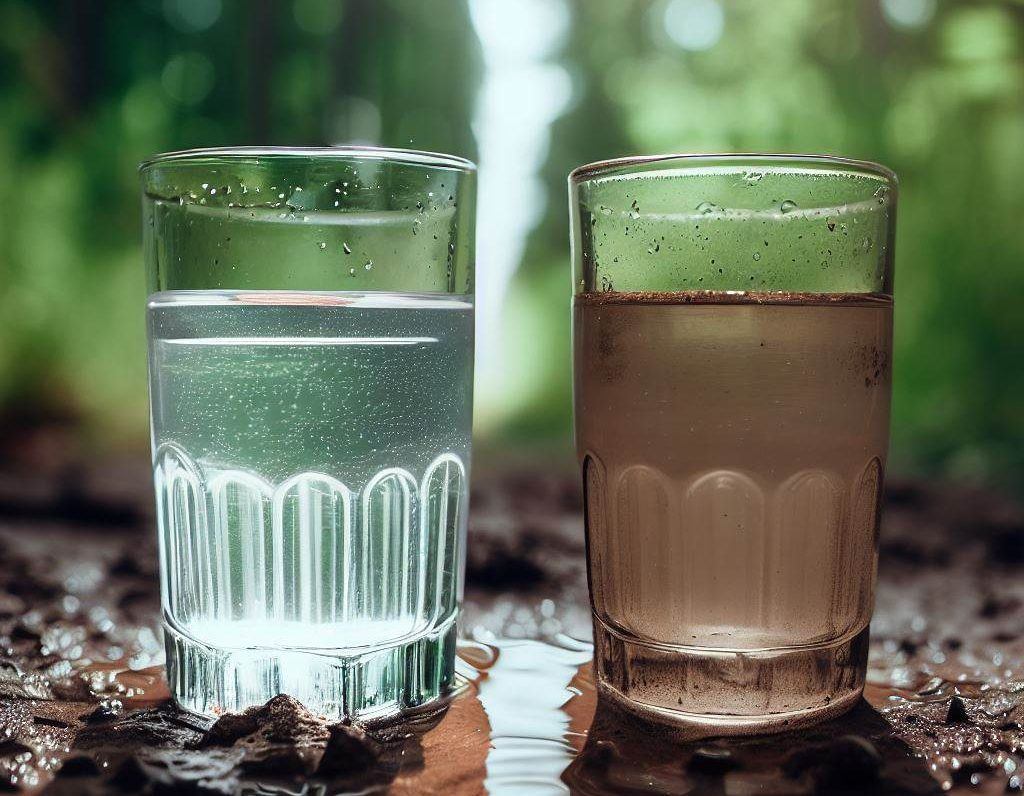
Natural water sources such as rivers, lakes and fountains can harbor a variety of contaminants. These include bacteria, viruses, parasites and microplastics. Drinkinguntreated water can lead to serious illness. Identifying whether a water source is clean requires in-depth knowledge of the terrain and local conditions. Turbidity or the presence of visible particles are often indicators that the water contains sediment or other impurities. It must then be filtered before consumption.
Hydration and the use of portable filters
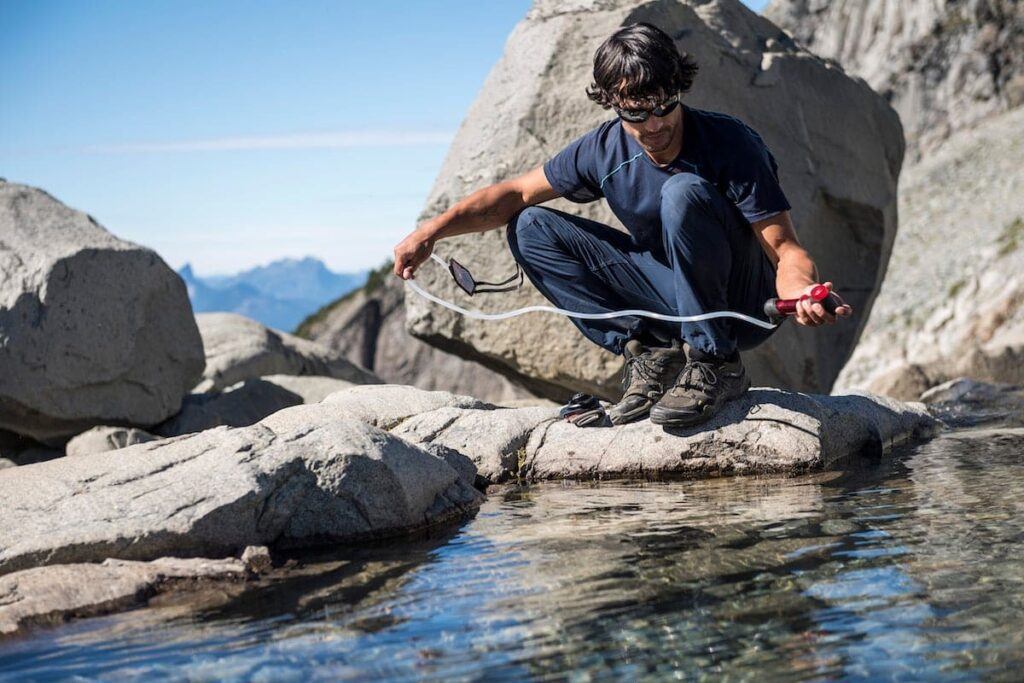
The pocket water filters are extremely useful in these situations. These devices, including filter straws with activated carbon, effectively remove impurities and improve the taste of the water. Compact and easy to use, these solutions are perfect for all outdoor adventures. Some purifiers can treat larger volumes of water rapidly, ensuring a satisfactory flow rate to meet the specific needs of each trek. See our model.
Hydration solutions for bivouacs and base camps
Establishing a base camp on extended treks requires a well-thought-out hydration strategy, especially in mountain environments. Find out here how to maximize your water autonomy with the right tools.
Water bags and filtration for hiking
Water pockets are ideal for storing large quantities ofwater without overloading the backpack. By combining these bags with compatible filters, you can easily turn any water source into a drinking resource. Their low cost and light weight make them indispensable accessories for long hikes. Using a water pouch while walking allows you to sip regularly, thus maintaining constant hydration.
Water bottles for mobility
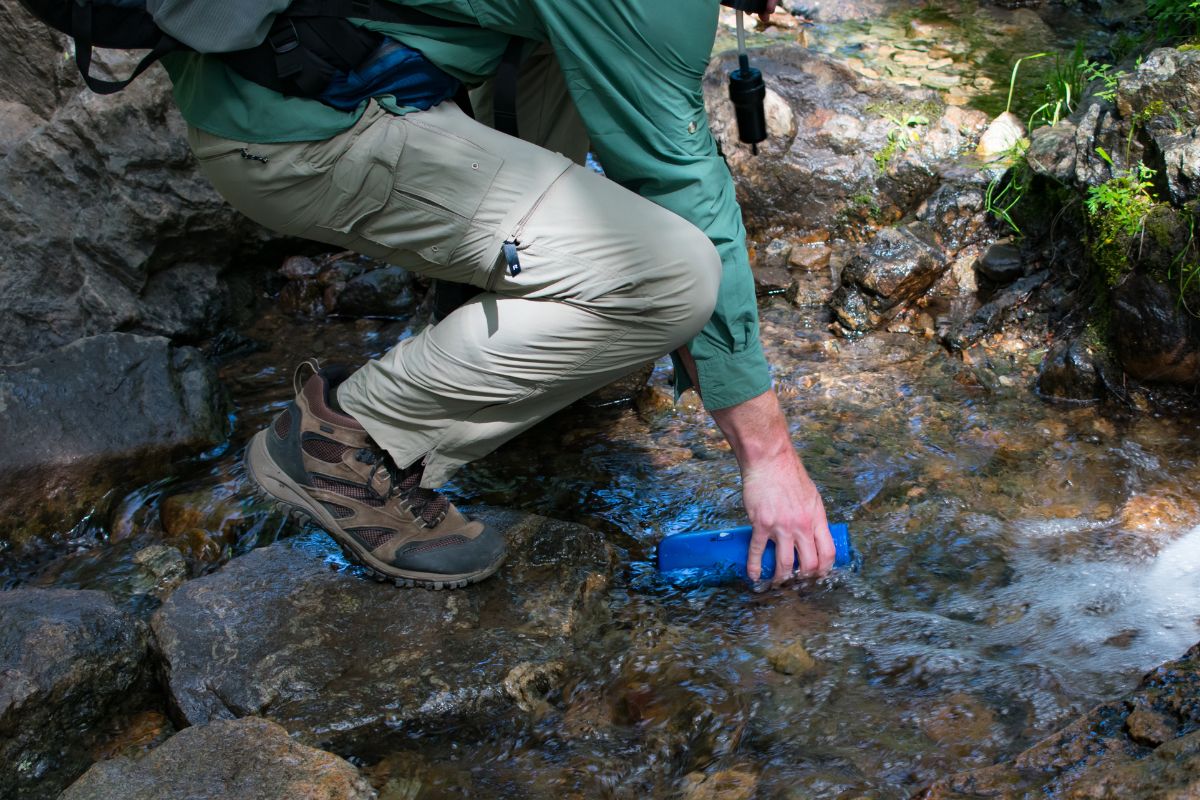
When you’re navigating between different watering holes, having a filtering water bottle ensures safe, continuous ingestion. The model Lifestraw Flex Basic model is particularly recommended for its efficiency and ease of use. Simply fill the gourd at a natural water source, close it and drink directly from it. Its built-in filter eliminates contaminants, making the water instantly drinkable.
Tips to minimize the risk of contamination
Even with high-quality filters, certain additional precautions must be taken to avoid contamination. Not completely immersing open bottles in a river can reduce the risk of parasitic input. Also, always choose areas withactive water circulation rather than stagnant water. Always filter before drinking, even when the water seems clear. Disinfectant tablets are also available, adding an extra layer of safety.
Hydration while hiking and the role of filters in water purification
In the field, water purification is essential to ensure the health and safety of hikers. Details of filter technologies and performance currently available on the market.
Available filtration technologies
Modern filters use different approaches to remove impurities. Hollow-fiber membrane systems, for example, trap bacteria and protozoa without using chemicals. Others incorporate activated carbon to absorb unpleasant tastes, chlorine and certain volatile organic substances. For even greater protection against viruses, some filters combine several technologies for optimum efficiency.
Filter volume and flow
Choosing a filter is not just a question of efficiency, but also of suitable capacity. Some models are made for small volumes, ideal if you want to fill a water bottle for a day. Other units offer higher flow rates, making it possible to prepare enough drinking water for an entire group at base camp. Remember to check that the filter flow rate corresponds to your specific needs and those of your hiking companions.
Hiking and the invisible dangers of unfiltered water
Pathogens in thewater, such as viruses and bacteria, represent a major health threat during wilderness expeditions. Learning to identify and neutralize them is therefore essential.
Bacteria and parasites in hiking water
Salmonella, E. coli, Giardia and Cryptosporidium are examples of bacteria and parasites frequently found in natural fresh waters. These organisms can cause symptoms ranging from simple indigestion to severe illness. Using certified filters capable of eliminating them is crucial to avoid potential infections. Conscientious filtration is non-negotiable, especially in environments where the water is likely to contain animal excrement or be industrially polluted.
Hiking filtration to prevent viruses
Apart from bacteria, viruses such as rotavirus or hepatitis A pose additional challenges, as they are often smaller and more difficult to filter. Special filters, often used in combination with chemical or ultraviolet treatments, offer some protection against these tiny pathogens. Opt for advanced filtration systems equipped with this technology when there is a suspicion that the water may be infected by viruses.
Use of water filtration devices
To guarantee a successful outdoor experience, combining comfort and safety around the water supply is essential. Here are a few tips and recommendations for getting the most out of your filtration equipment.
Hiking and water filter maintenance
Regular maintenance of your filters is essential to maintain their efficiency. This includes cleaning removable parts after each excursion and ensuring that they dry properly. Diaphragms and cartridges should be replaced periodically according to the manufacturer’s instructions to ensure maximum performance. A poorly maintained filter could become ineffective or even harmful by failing to retain contaminants properly.
Alternative systems for water purification and hydration when hiking
In addition to mechanical filters, there are a number of other processes for obtainingdrinking water: chemical purification tablets, ultraviolet radiation systems and boiling methods. Combining several techniques increases the guarantee of safety. For example, treating suspect water first chemically and then filtering it almost totally reduces the chances of pathogens being present.


